



Beautiful and Terrible Things: A Christian Struggle with Suffering, Grief, and Hope is out and available from the publisher and all the usual places where you buy words on pages (and words in pixels and spoken, the Kindle and audio versions are available too!). The description from the publisher: Bible […]
Reflecting on morning readings. “Blessed are the ears that catch the breath of the whisper of God, and give no heed to the whisperings of this world—blessed ears indeed, if they are listening to the Truth teaching them in their hearts and not to voices outside them.” Thomas a Kempis, […]
What stood will stand, though all be fallen,The good return that time has stolen.Though creatures groan in misery,Their flesh prefigures libertyTo end travail and bring to birth‘Their new perfection in new earth.At word of that enliveningLet the trees of the woods all singAnd every field rejoice, let praiseRise up out […]
John 20:19 When it was evening on that day, the first day of the week, and the doors of the house where the disciples had met were locked for [they were afraid]. Over the course of the Easter season, I see a lot of my colleagues and friends posting various […]
How long did Colin wear your shoesHow many miles walked, balls kicked, goals scoredIn your shoes?The soles came off before he gave them up. Who got your bike, new that Christmas?Did they ride it for days, up and down their streetOr hardly at allBecause it was always yours? She keeps […]
TLDR: I have posted my first poem, jump down to read it. For the last half dozen years or so, I have been reading a lot more poetry. I have also been trying to write poetry and the two are not as related as it may seem. At least not […]
This is an entry in the “Acrostic Contemplations.” “Grace, she takes the blame She covers the shame Removes the stain It could be her name” I was sitting in a meeting of the university deans with the president and the provost presiding. We were discussing language for a new campaign, considering what slogan […]
Many with whom I mourned the deadAre dead, and mourn no more. BlessédAre they that mourn, for thus they haveThe fullest magnitude of loveAnd learn of it, whereby the deadOutlive their lives, and live insteadEternally in present graceWhere death, ashamed, can find no place,For love goes with them, out of […]
This is an entry in the “Acrostic Contemplations” and began as a sermon for the Second Sunday in Lent (February 25, 2024). “[The LORD] brought Abram outside and said, ‘Look toward heaven and count the stars, if you are able to count them.” Then he said to him, “So shall […]
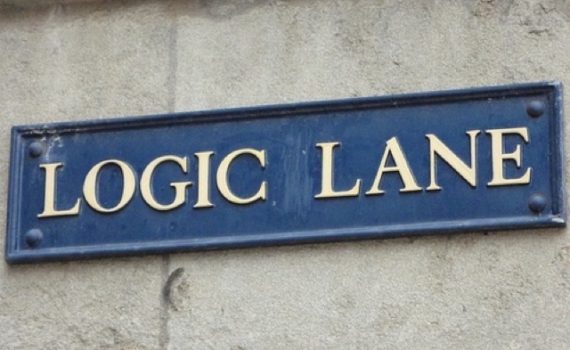
I have a deep desire, often uncontrollable, to be understood. More specifically, that my ideas and arguments should be understood. It is a horrible habit and I have been aware of it for decades and I fight against these inclinations, and often lose. It can ruin relationships and it has […]
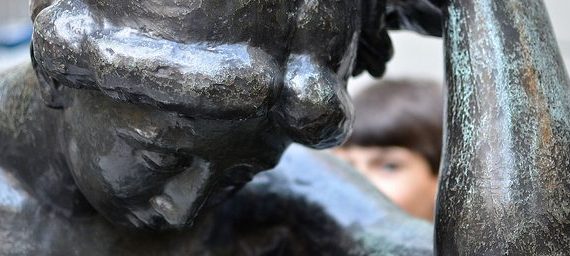
FIRST SUNDAY IN LENT FEB 18, 2024 “Christ also suffered for sins once for all, the righteous for the unrighteous, in order to bring you to God.” 1 Pet. 3:18 I may be wrong, but I think most of us in the Episcopal church today have an issue with sin. […]